
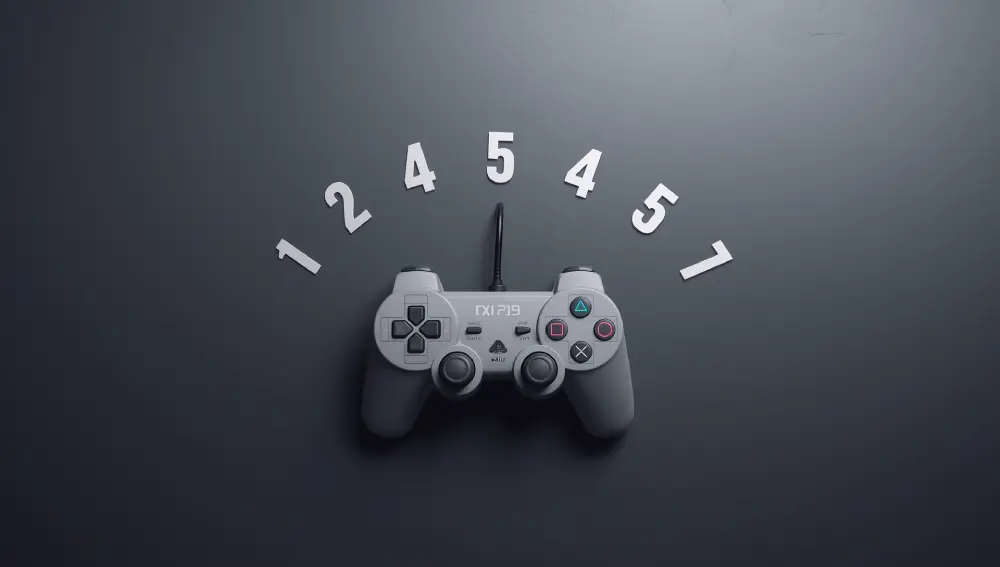
In a gaming landscape now loaded with haptic feedback, motion sensors, and adaptive triggers, the Original PS1 Controller stands out as a powerful symbol of simplicity and legacy. Though it’s decades old, this classic pad continues to capture hearts for its design, nostalgia, and reliable feel. If you’re wondering why it still matters today, here are seven compelling reasons that make the Original PS1 Controller worth owning or revisiting.
1. Pioneering Ergonomic Design
When Sony launched the PlayStation on December 3, 1994, the controller that came with it—model SCPH-1010—broke new ground. Building on the foundation of Nintendo’s SNES game pad, it introduced a second pair of shoulder buttons (L2 and R2) placed for the middle fingers, enabling two-way depth control—a first for console gaming. To balance the grip shift, the controller featured ergonomic handles for comfort during extended sessions. Lightweight and thoughtfully shaped, the design prioritized intuitive control in 3D environments long before analog sticks became standard.
2. Iconic Symbol Button Layout
The Original PS1 Controller is instantly recognizable for its use of symbols—triangle, circle, cross (X), and square—instead of letters or numbers. These shapes weren’t just aesthetic; according to designer Teiyu Goto, they have meaning: circle and cross represent “yes” and “no” in Japanese culture, triangle used as a viewpoint marker, and square as access to menus Wikipedia. This clever symbolism became a PlayStation hallmark and contributes to the controller’s cultural resonance.
3. Lightweight, Durable, and Reliable
With a simple wired digital interface and no moving parts like motors or sensors, the Original PS1 Controller avoids many failure points found in modern gear. It’s lighter than later analog-equipped controllers and tends to remain comfortable even during marathon gameplay psillustrated.com. Less tech means fewer things can break—stacking the deck in favor of longevity and stable performance over flashy features.
4. Truly Nostalgic Feel
For countless gamers, the tactile sensation of the Original PS1 Controller—its firm D-pad, responsive action buttons, and solid build—is more than just familiar—it’s deeply evocative. Playing titles like Final Fantasy VII, Metal Gear Solid, or Crash Bandicoot with this pad transports players back to the console’s golden age. Many still prefer it for its pure, unfiltered gameplay feel.
5. Perfect for Classic 2D and Arcade-Style Games
When it comes to precision in platformers, fighting games, or retro-style titles, the Original PS1 Controller often outperforms analog-first options. The direct, crisp input of the D-pad gives players tactile control that’s ideal for stylized or pixel-perfect gameplay. One GameFAQs user put it bluntly:
“I prefer the original controller… I like the comfort and the light weight that controller offers me.”
6. Excellent Collectible Appeal
Beyond its functional merits, the Original PS1 Controller carries collectable value. For enthusiasts, especially those in good condition or with original packaging—like the Japanese SCPH-1010 or regional variants—it’s a piece of gaming heritage that’s worth preserving. Its historical significance adds to its appeal among retro collectors.
7. A Clean, Distraction-Free Experience
Modern controllers are packed with features—touch pads, share buttons, motion sensors, rumble motors—all great, but sometimes overwhelming. The Original PS1 Controller pares things back to essentials: buttons, D-pad, and shoulders. For gamer seeking stripped-down focus and minimal distractions, this controller delivers a refreshingly pure experience.
How to Use & Tips for the Original PS1 Controller
Adding to its nostalgic charm, here’s how to use the Original PS1 Controller effectively—whether on a vintage console or modern setup—with practical advice for both game play and maintenance:
Connecting and Usage Guide
If you interested in guide for gaming
Gameplay Tips
- Master the D-pad: Rest your thumb at the edge for steadier input.
- Leverage Shoulder Buttons: Great for quick actions in racers or shooters.
- Adjust Grip: Keep fingers relaxed—over-gripping can strain your hands in long sessions.
Maintenance Tips
- Cleaning: Gently wipe with a damp microfiber cloth; avoid water near the plug.
- Deep Cleaning: For sticky buttons, use compressed air or lightly dampened cotton swab with isopropyl alcohol.
- Cable Care: Coil loosely to prevent kinks and damage.
- Restoration: Consider retrobright methods (like controlled UV exposure) to brighten yellowed plastic.
When the Original PS1 Controller May Fall Short
| Limitation | Explanation |
| No Analog Sticks | Missing analog input for camera/view control in 3D games. |
| No Vibration Feedback | Lacks rumble functions for immersive feedback. |
| Wired Only | Doesn’t offer wireless convenience unless using adapters. |
| Limited Compatibility | Modern games or platforms may find it unusable or incomplete. |
That said, if your goal is retro or focused gameplay, these trade-offs may well be worth it.
FAQs
Q. Is the Original PS1 Controller compatible with emulators on PC?
A. Yes—using a PS1-to-USB adapter, many PCs and emulators recognize it. You’ll likely need to configure button mapping within your emulator of choice.
Q. Can I convert the Original PS1 Controller to USB manually?
A. Absolutely. Wiring diagrams are available that show how to solder the controller’s connector to USB pins—just make sure you follow the proper +5V, data, ground, and clock layouts.
Q. Is wireless use possible with the Original PS1 Controller?
A. Sort of. Through adapters like the Brook USB adapter, you can pair wireless controllers (e.g., DualShock 3) for use with PS1 and PS2 consoles.
Q. How does the Original PS1 Controller compare to the Dual Analog and DualShock?
A. The dual analog variants added sticks and rumble, offering more modern functionality—yet many players still prefer the Original PS1 Controller for its weight, simplicity, and precision, especially in non-3D or retro genres.
Q. How can I restore a yellowed or sticky PS1 controller?
A. Carefully clean with isopropyl-dampened swabs, use compressed air for buttons, and consider retrobright techniques (UV or hydrogen peroxide exposure) to reverse discoloration
Conclusion
The Original PS1 Controller endures not just as a nostalgic artefact, but as a functional, elegant tool. From pioneering ergonomics and symbolic design, through lightweight durability and timeless appeal, to collectable value and purity of game play—there are seven compelling reasons it still matters. With thoughtful setup and a bit of care, it can still provide countless hours of authentic, distraction-free gaming.
