
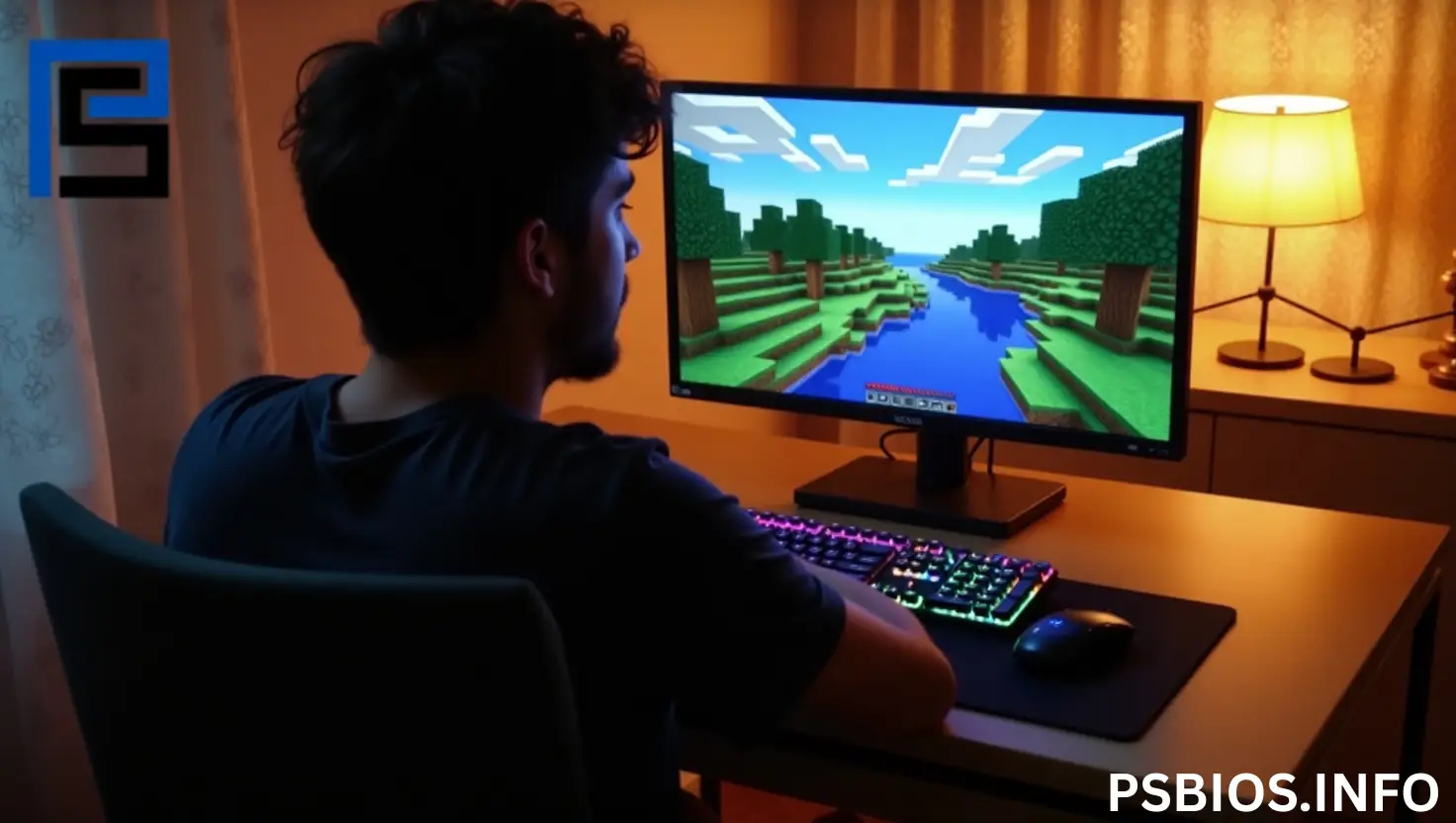
What Does The Future Of Gaming Hold? The gaming industry has undergone a remarkable transformation from its origins as simple entertainment into a dominant cultural force that profoundly influences contemporary society. This rapidly expanding sector continues to broaden its reach across diverse demographic segments, effectively dismantling conventional barriers between digital entertainment and real-world experiences. The technological advancement in graphical rendering capabilities has reached unprecedented levels of sophistication, creating a convergence where the distinction between virtual and physical realities becomes increasingly imperceptible. These immersive digital environments now possess a tangible quality that fundamentally alters how individuals interact with and perceive entertainment media, establishing gaming as a pivotal force in shaping modern cultural landscapes and social dynamics.
What Does The Future Of Gaming Hold?
The future of this medium looks even more revolutionary as we’re walking into an era defined by new tech and smarter systems. More people are taking part in interactive experiences that extend far beyond traditional consoles, with smaller devices now capable of delivering console-quality experiences. From my years observing this space, the convergence of artificial intelligence, cloud computing, and advanced hardware suggests we’re approaching a paradigm shift where gaming becomes seamlessly integrated into daily life rather than remaining a separate activity. What Does The Future Of Gaming Hold?
Big Shift: Gaming Without the Gear
Cloud gaming is transforming how we experience the best games without needing a high-end PC or console. Game streaming lets you stream full games on your phone, tablet, or basic laptop through powerful servers. No more bulky setups or waiting for downloads – just instant access to premium gaming on any screen. With 5G and improved internet speeds, real time gaming performance rivals traditional hardware. This technology removes barriers that prevent many players from enjoying top-tier content, expanding the industry to reach a bigger audience than ever before.
Game streaming-based platforms are creating vibrant communities where fans meet and discuss games they love. People play together while others watch their gameplay, forming tight-knit groups around favorite titles. This social interaction transforms gaming from a solo activity into a shared experience that brings players together globally, regardless of their hardware limitations.
Smart Ownership Worlds
Game designers are smartening their approach to creating multi-faceted living worlds where AI transforms how characters behave. These digital enemies aren’t just following written stories anymore – they’re enacting complex behaviors that modify based on how people play each session. The process makes every encounter feel genuinely difficult and unpredictable.
Blockchain technology creates seismic shifts in player control over in-game possessions. Unlike traditional systems where items remain tied to a single game or service, this supporting technology enables players to legitimately own their digital goods. Through proper configuration, consumers can now play, win, and retain true ownership of virtual resources – eliminating the necessity for conventional bank approval when these items are bought, traded, or sold across different platforms.
What’s occurring extends beyond simple gaming into crypto casinos where blockchain becomes a key part of the entire experience. Players gain real responsibility over their console and payments platform interactions, fundamentally changing how we think about digital ownership.
Life Inside the Game, VR, and AR
Advanced motion controls and haptic suits represent the next evolution in gaming gear, allowing players to physically feel what’s happening in each game. This immersive technology is becoming increasingly common as the metaverse – a term thrown around frequently – takes shape. The core idea is surprisingly simple: creating connected digital worlds where players can move between different games, events, and social spaces without starting from scratch. This shared universe is growing rapidly as more people use these interconnected platforms.
Smaller Devices, Bigger Reach
Gaming is making a big move away from traditional setups. Players no longer want to be tied to a single room, sitting in front of a screen for hours. The future belongs to portability – taking games wherever we go. Phones have become powerful gaming platforms, while handheld consoles are getting major upgrades. Smart glasses represent the next frontier, promising immersive experiences without bulky equipment.
Lighter gear, better batteries, and faster processing power are transforming how we play. I’ve watched this evolution firsthand, from carrying multiple devices to having everything in my pocket. Gaming is no longer tied to specific locations or equipment – it’s becoming truly mobile and accessible to everyone.
Payment models are shifting dramatically across the industry. Subscriptions now offer access to huge libraries of games, while ad-supported titles let people start playing for free. Direct downloads help developers cut out the middleman, making distribution easier and cheaper. This transformation makes it easier for new players to jump in without major upfront investments. What Does The Future Of Gaming Hold?
Gaming as a Social Space
Gaming has grown far beyond simple entertainment into something that resembles a vast social network. People now meet, talk, compete, and collaborate within these digital worlds, creating connections that often feel more meaningful than traditional platforms. Esports is pulling in massive audiences that rival traditional sports, while game launches have become global events that generate excitement comparable to movie premieres.
The real magic isn’t just about fun anymore. Games are becoming new hangout spots where friends gather virtually, new concerts where artists perform for millions, and new classrooms where learning happens naturally. Whether you win or simply unwind, there’s always that sense of community waiting. This big part of the experience keeps people coming back, transforming gaming from a hobby into a lifestyle that shapes how we connect with others. What Does The Future Of Gaming Hold?
Personalized Play and Cleaner Development
Gaming’s future isn’t following a straight line anymore. AI is helping games adjust to how each person plays, making one-size-fits-all gameplay slowly fading away. Instead of struggling through a puzzle or game section, smart systems now offer subtle help when needed. I’ve watched players light up when AI quietly steps in, speeding through easier levels or choosing to increase the challenge for experienced gamers. What Does The Future Of Gaming Hold?
On the back end, developers are thinking more about sustainability. Games still require a lot of resources, electricity, data centers, devices, and the bandwidth to transfer data across platforms, but the industry is starting to shift.
This back end magic happens while developers are thinking beyond just entertainment. The industry is starting to embrace sustainability as games require massive resources like electricity for data centers, powerful devices, and enormous bandwidth to transfer data across platforms. Modern efficient engines are replacing wasteful production cycles, while greener packaging enters the conversation about responsible gaming.
