
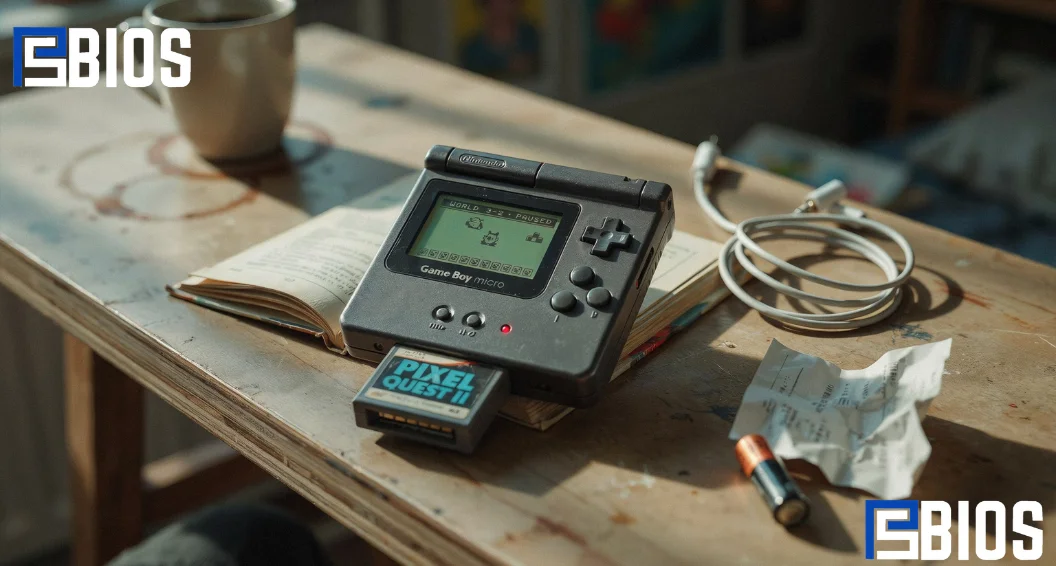
The GameBoy Micro is Nintendo’s smallest Game Boy Advance system and remains one of the most collectible handheld consoles ever released. Introduced in 2005, the Nintendo GameBoy Micro features a bright backlit screen, premium metal construction, customizable faceplates, and full compatibility with Game Boy Advance games. Although it lacks support for original Game Boy and Game Boy Color titles, its stylish design, portability, and growing collector value continue to attract retro gaming enthusiasts worldwide. Whether you are searching for a GameBoy Micro for sale, considering a GameBoy Micro battery replacement, or looking for the best GameBoy Micro games, this guide covers everything you need to know.
What Is a GameBoy Micro?
The GameBoy Micro is a compact handheld gaming system developed by Nintendo as part of the Game Boy Advance family. Released near the end of the Game Boy era, this tiny console was designed for players who wanted a sleek and highly portable gaming device.
Unlike previous Game Boy systems, the GameBoy-Micro focused on style and portability. The console featured a premium metal body, an exceptionally bright display, and interchangeable GameBoy Micro faceplate options that allowed users to personalize their system.
Many gamers refer to it as the Nintendo Micro GameBoy because of its miniature design. Despite its size, the GameBoy-Micro console delivers the same gameplay performance found in larger Game Boy Advance systems.
Today, the GameBoy Advance Micro remains a favorite among collectors and retro gaming enthusiasts who appreciate unique hardware designs.
History of the GameBoy Micro
The GameBoy Micro release date was September 13, 2005, in North America. Nintendo launched the system after the success of the Game Boy Advance and Game Boy Advance SP.
At the time, handheld gaming was evolving rapidly. Nintendo had already introduced the Nintendo DS, yet the company continued supporting the Game Boy Advance platform with the release of the GameBoy Micro.
The goal was simple: create a stylish and ultra-portable device for mature gamers who grew up with Nintendo handhelds. The result was one of the most distinctive consoles ever produced.
Although sales never matched earlier Game Boy systems, the GameBoy-Micro eventually developed a strong reputation among collectors due to its rarity and premium design.
GameBoy Micro Specifications
The Game Boy Micro may be small, but it offers impressive specifications for a handheld system from 2005.
Key Specifications
- 2-inch backlit LCD display
- Resolution of 240 × 160 pixels
- Rechargeable lithium-ion GameBoy Micro battery
- Adjustable brightness settings
- Compact metal housing
- Dedicated headphone jack
- Interchangeable GameBoy Micro faceplate designs
- Full compatibility with Game Boy Advance cartridges
The bright display remains one of the most praised features of the Nintendo GameBoy Micro.
Design and Build Quality
The GameBoy Micro size is one of the console’s biggest selling points. Measuring approximately 4 inches wide, it can easily fit into a pocket.
Many gamers consider the Game Boy Micro size comparison against other handheld consoles particularly impressive because it is significantly smaller than both the Game Boy Advance and Game Boy Advance SP.
Design Highlights
- Premium metal construction
- Lightweight body
- Pocket-friendly dimensions
- Customizable Game Boy Micro shell options
- Durable button layout
- Stylish collector appeal
Nintendo invested heavily in aesthetics, making the Game Boy Micro one of the most attractive handheld gaming devices ever released.
Display Quality
The Game Boy Micro screen remains one of the best screens found on a Game Boy Advance system.
At launch, many reviewers praised its brightness and sharp image quality. The Game Boy Micro screen size measures approximately 2 inches, which may seem small by modern standards but delivers impressive clarity.
Benefits of the Display
- Bright backlit technology
- Crisp image quality
- Adjustable brightness levels
- Excellent color reproduction
- Reduced motion blur
For collectors restoring old systems, GameBoy Micro screen replacement services and replacement parts remain widely available through retro gaming communities.
Game Compatibility
One of the most important things to understand is game compatibility.
Supported Games
The Game Boy Micro supports:
- Game Boy Advance games
- Game Boy Advance Video Cartridges
Unsupported Games
The Game Boy Micro does not support:
- Original Game Boy games
- Game Boy Color games
This limitation is one reason some players preferred the Game Boy Advance SP.
Nevertheless, the huge library of Game Boy Micro games includes thousands of excellent titles across multiple genres.
Popular Games for GameBoy Micro
The Game Boy Advance library contains some of the greatest handheld games ever released.
Best Game Boy Micro Games
- Pokémon Emerald
- Pokémon FireRed
- Pokémon LeafGreen
- The Legend of Zelda: The Minish Cap
- Metroid Fusion
- Metroid Zero Mission
- Mario Kart Super Circuit
- Advance Wars
- Golden Sun
- Castlevania Aria of Sorrow
Many of these titles remain highly sought after in the retro gaming market.
The Game Boy family as a whole also produced some of gaming’s highest-selling titles. Pokémon games remain among Nintendo’s best-selling franchises, while Tetris became one of the most successful video games ever released.
Advantages of the GameBoy Micro
The Game Boy Micro offers several strengths that continue to attract retro gamers.
Key Benefits
- Extremely portable design
- Premium construction quality
- Bright display
- Comfortable controls
- Long battery life
- Strong collector value
- Access to thousands of Game Boy Advance games
For gamers who prioritize portability, few systems can match the convenience of the Micro GameBoy.
Disadvantages of the GameBoy Micro
No gaming device is perfect.
Common Drawbacks
- Small display size
- No support for Game Boy Color games
- No support for original Game Boy games
- Limited accessory availability
- Increasing collector prices
These limitations contributed to lower sales compared to previous Game Boy systems.
Many analysts believe the Game Boy Micro struggled because it launched after the Nintendo DS had already captured consumer attention. Players also preferred systems that supported multiple generations of Game Boy cartridges.
GameBoy Micro vs Game Boy Advance SP
The Game Boy Micro and Game Boy Advance SP each offer unique advantages.
GameBoy Micro
- Smaller footprint
- Premium appearance
- Brighter display
- Better portability
Game Boy Advance SP
- Larger screen
- Better compatibility
- Easier handling for some users
- More affordable in certain markets
The best option depends on whether you value portability or compatibility.
Collectibility and Value
The GameBoy Micro has become increasingly collectible over the years.
Many limited editions, including the popular Game Boy Micro Famicom edition, command high prices among collectors.
Factors That Affect Value
- Physical condition
- Original packaging
- Screen quality
- Included accessories
- Limited edition status
- Faceplate rarity
Collectors often search for a Game Boy Micro for sale in excellent condition because the supply continues to decrease.
Some rare editions rank among the most desirable handheld consoles Nintendo ever produced.
Accessories and Modifications
A thriving retro gaming community continues to develop Game Boy Micro accessories and upgrades.
Popular Accessories
- Game Boy Micro charger
- Game Boy Micro case
- Game Boy Micro link cable
- Protective screen covers
- Replacement faceplates
Popular Upgrades
- Game Boy Micro USB-C mod
- Custom Game Boy Micro mod projects
- Enhanced speakers
- New Game Boy Micro shell designs
- Battery upgrades
A Game Boy Micro battery replacement is one of the most common upgrades because many original batteries are now decades old.
Buying Guide
If you are looking for a Game Boy Micro for sale, consider the following factors before purchasing.
Inspection Checklist
- Check screen brightness
- Verify battery performance
- Test cartridge reading
- Inspect the shell condition
- Confirm charger functionality
- Examine faceplate wear
Game Boy Micro price varies depending on condition, rarity, and included accessories.
Standard models are generally more affordable than limited editions such as the Famicom version.
Retro Gaming Relevance Today
Although Nintendo no longer manufactures the Game Boy Micro, interest in retro gaming continues to grow.
Modern systems offer access to classic titles through digital services and emulation. Nintendo has also expanded support for legacy games through subscription offerings on newer hardware.
The original Game Boy family remains one of the most successful handheld gaming lines in history, with hundreds of millions of games sold worldwide.
Collectors continue to value the GameBoy Micro because it represents the final chapter of the legendary Game Boy era.
Conclusion
The GameBoy Micro remains one of Nintendo’s most unique handheld consoles. Its compact design, bright display, premium construction, and extensive library of Game Boy Advance titles continue to make it highly desirable among collectors and retro gamers.
Whether you are searching for a GameBoy Micro charger, exploring GameBoy Micro mods, comparing GameBoy Micro price trends, or simply looking for the best GameBoy Micro games, this handheld system still delivers a memorable gaming experience decades after its release.
Its combination of portability, style, and collector appeal ensures that the Nintendo GameBoy Micro will remain an important part of gaming history for years to come.
Frequently Asked Questions
1. What is the GameBoy Micro?
The GameBoy Micro is a compact handheld console released by Nintendo in 2005 for playing Game Boy Advance games.
2. Does the GameBoy Micro play Game Boy games?
No, it only supports Game Boy Advance cartridges and cannot play original Game Boy or Game Boy Color games.
3. Why is the GameBoy Micro popular?
Its compact size, bright screen, stylish design, and collectible value make it popular among retro gamers.
4. How much is a GameBoy Micro worth?
The GameBoy Micro price varies based on condition, accessories, and rarity, with collectible editions often selling for higher prices.
5. What are the best GameBoy Micro games?
Popular titles include Pokémon Emerald, The Minish Cap, Metroid Fusion, Mario Kart Super Circuit, and Advance Wars.
